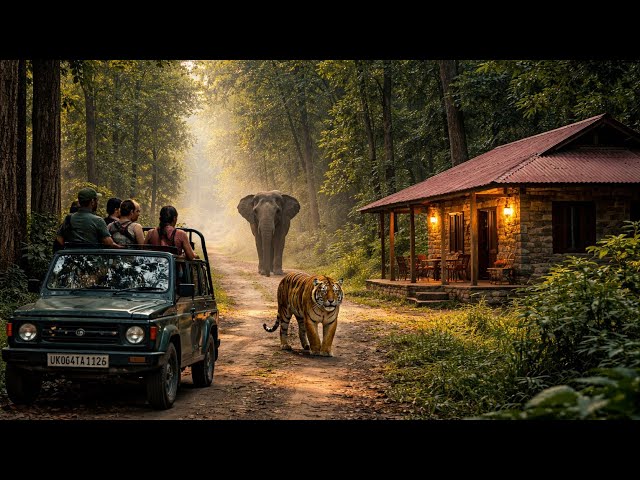
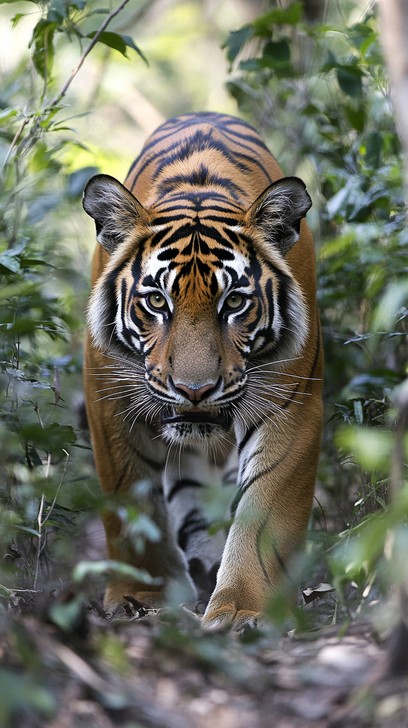
There is a distinct, electrifying shift in the atmosphere of an Indian forest right before a tiger appears. The casual chirping of birds suddenly stops. The jungle falls dead silent, only to be broken by the sharp, frantic warning cry of a langur monkey from the treetops or the deep alarm bell of a sambar deer. Every eye in the open safari jeep scans the thick undergrowth. Your heart races, your breath catches, and then, out of the golden shadows, a magnificent Royal Bengal Tiger steps gracefully onto the dirt track.
An Indian jungle safari experience is unlike any other wildlife adventure in the world. India is home to over 70% of the world’s wild tiger population, protected within beautifully diverse landscapes ranging from dry deciduous forests to lush Sal canopies. To help you plan this soul-stirring journey, Travigo Safari has crafted the ultimate insider guide to exploring the realm of the tiger.
1. The Crown Jewels of Tiger Tracking in India
While India boasts over 50 tiger reserves, a few legendary parks offer the ultimate combination of stunning landscapes and high tiger sighting probabilities.
Bandhavgarh Tiger Reserve (Madhya Pradesh)
Boasting one of the highest densities of Royal Bengal Tigers in India, Bandhavgarh is steeped in ancient history. The park is framed by a dramatic cliffside plateau topped by a 2,000-year-old fort. Tracking tigers through the rocky terrains and grassy meadows here feels like stepping directly into a mythological kingdom.
Ranthambore National Park (Rajasthan)
Ranthambore is the ultimate visual spectacle where heritage meets wilderness. Famous for its bold, daylight-active tigers, this park allows you to photograph apex predators prowling past 10th-century palace ruins, ancient stone archways, and sprawling banyan trees reflecting over pristine lakes.
Kanha Tiger Reserve (Madhya Pradesh)
Kanha is a sweeping landscape of endless Sal forests and vast, open highlands that famously served as the setting for Rudyard Kipling’s The Jungle Book. It is a sprawling, incredibly well-managed sanctuary where tigers rule alongside massive herds of the rare, hard-ground Barasingha (Swamp Deer).
2. Jungle Gastronomy: What to Eat on Tour
- Post-Safari Bush Breakfasts: After an early morning drive, pull up near a designated forest clearing or riverbank to enjoy packed hot aloo parathas, boiled eggs, fresh fruits, and steaming cups of local ginger masala chai served straight out of thermoses.
- Traditional Clay-Oven Dinners: Spend your evenings around a roaring resort campfire enjoying slow-cooked local delicacies like Laal Maas (spicy Rajasthani mutton) or Dal Baati Churma, prepared using traditional earthen pots and clay ovens.
- Organic Farm-to-Table Lunches: Indulge in light, refreshing lunches featuring locally harvested forest honey, fresh greens, handmade local breads, and cooling mint-buttermilk drinks (Chaas) to beat the midday jungle heat.
3. A Moment Frozen in Time
“We had been tracking fresh pugmarks for an hour in Bandhavgarh when our guide suddenly pointed toward a massive mahua tree. There, lying casually in the cool grass, was a majestic male tiger. He looked directly at our jeep with piercing amber eyes. In that exact moment, there was no fear—only a profound, breathtaking reverence for the true king of the jungle.”
4. Estimated Indian Tiger Safari Budget Breakdown
| Category | Average Daily Cost | Practical Travel Insights |
|---|---|---|
| Luxury Safari Stays | ₹3,500 – ₹9,000 | Comfortable eco-friendly resorts, heritage hunting lodges, or premium luxury forest cottages. |
| Jeep Hire & Permits | ₹4,500 – ₹6,000 | Covers official government forest department entry permits, exclusive 4×4 open gypsies, and expert trackers. |
| Local Dining & Drinks | ₹1,000 – ₹2,500 | All-inclusive resort buffet meals featuring local regional cuisines and refreshing snacks. |
| Local Excursions | ₹800 – ₹2,000 | Guided nature walks along buffer zones, tribal village interactions, or historic fort visits. |
5. Pro-Tips for a Rewarding Tiger Safari Experience
- Trust the Alarm Calls, Not Just Luck: A successful safari relies heavily on tracking skills. Listen closely to the jungle’s language—the distress calls of deer and monkeys are the most reliable indicators that a tiger is on the move.
- Book Across Multiple Zones: Most reserves are divided into distinct geographic zones. When booking your safari with Travigo, ensure you book jeeps across 2 or 3 different zones (like Tala, Magadhi, or Khitauli in Bandhavgarh) to maximize your chances of different tiger territory sightings.
- Respect the Wilderness Zone: Never wave, shout, or try to feed the animals. Keep your camera shutters on silent mode when close to a tiger, and maintain a quiet, respectful presence to let them behave naturally in their habitat.
Final Thoughts
An Indian jungle safari experience is more than just a holiday—it is a thrilling, unpredictable pilgrimage into the heart of nature. Witnessing a wild tiger in its natural domain leaves an indelible mark on your soul. Let Travigo Safari handle the stressful permit scrambles, elite vehicle arrangements, and premium stay selections while you prepare to step into the magical realm of the tiger.