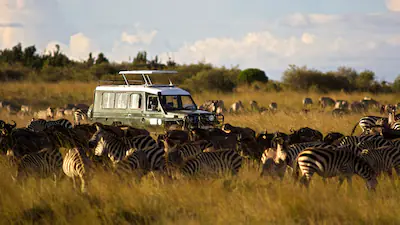
Imagine standing on the edge of a massive river cliff as tens of thousands of wildebeests, zebras, and gazelles thunder down the banks, plunging into the swirling waters below. The air is thick with dust, frantic calls echo across the plains, and apex predators lurk just beneath the surface or along the ridgeline. This is not a scene from a nature documentary—this is The Great Wildebeest Migration, widely considered the most spectacular wildlife show on Earth.
Every year, over two million animals move in a relentless clockwise circle across the ecosystem of the Serengeti in Tanzania and the Masai Mara in Kenya. To help you witness this bucket-list event, Travigo Safari has put together the ultimate Great Migration safari guide, detailing exactly when, where, and how to catch this raw display of nature.
1. Tracking the Movement: When and Where to Go
Because the animals move constantly in search of fresh green pastures, timing your trip to the correct location is absolutely critical.
The Deadly River Crossings (July to October)
- Location: Masai Mara National Reserve (Kenya) & Northern Serengeti (Tanzania)
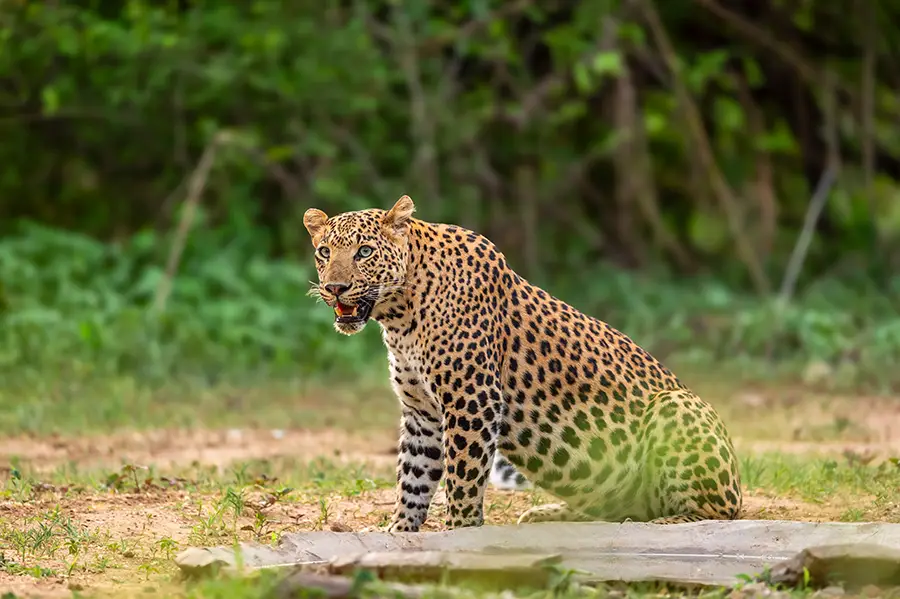
- The Experience: This is the most action-packed phase of the migration. Thousands of animals gather on the banks of the Grumeti and Mara Rivers. Watch in awe as they build up courage before making a dramatic dash across crocodile-infested waters, while lions and leopards wait strategically on the opposing banks.
The Predators’ Paradise & Calving Season (January to March)
- Location: Southern Serengeti & Ngorongoro Conservation Area (Tanzania)
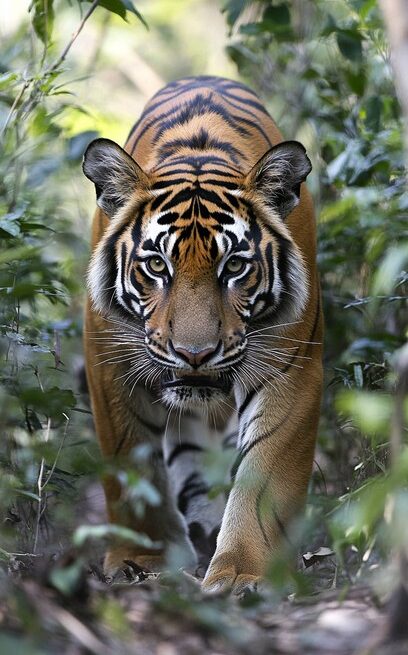
- The Experience: During these months, nearly half a million wildebeest calves are born within a brief multi-week window. The open plains turn emerald green, creating an absolute feast for big cats. If you want to witness active predator hunts and cute newborns, this is the prime window to visit.
The Endless Trek & Moving Plains (April to June & November)
- Location: Western and Central Serengeti
- The Experience: The herds form massive, miles-long columns as they trek across the open savanna. This period offers breathtaking landscape photography, fewer tourist vehicles, and spectacular views of the immense scale of the migration moving as a single, living organism.
2. Where to Eat: Authentic African Bush Flavors
- Traditional Sundowner Bush Dinners: Experience the ultimate luxury of dining under a canopy of acacia trees out on the open savannah. Feast on grilled meats (Nyama Choma), fresh kachumbari salads, and fine wines while watching the sunset.
- Luxury Tented Camp Mess Tents: Enjoy gourmet, multi-course fusion dishes combining local East African spices with international culinary styles, prepared using completely fresh, organic ingredients.
- Safari Picnic Boxes: For long days spent out tracking the herds, enjoy premium packed lunches containing fresh artisanal wraps, local cheeses, biltong (savory dried meat), and tropical fruits next to designated scenic overlooks.
3. A Witness to the Wild
“Nothing prepares you for the sheer noise of the migration. Standing on the banks of the Mara River, the ground vibrated under my feet from thousands of thumping hooves. When the first wildebeest leaped into the water, my breath caught. Watching them fight the current, evade crocodiles, and climb the steep mud walls was the most intense, humbling, and unforgettable wildlife moment of my life.”
4. Estimated East African Migration Safari Budget
| Category | Average Daily Cost | Practical Travel Insights |
|---|---|---|
| Accommodation | $350 – $950 USD | Includes luxury mobile tented camps that move with the herds, or premium permanent eco-lodges. |
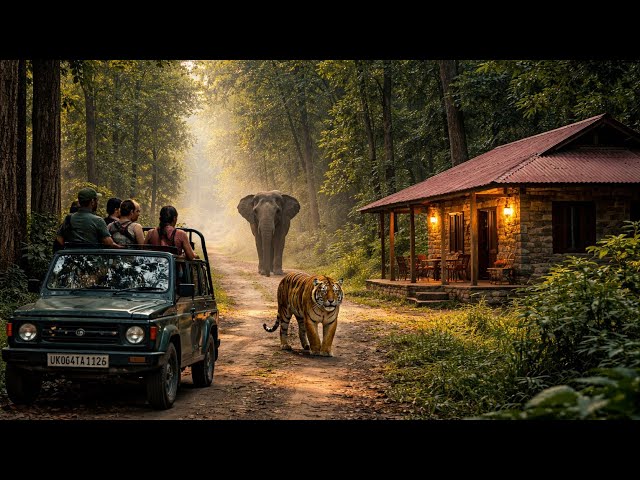
| Park Fees & Professional Safari 4×4 | $150 – $250 USD | Covers government conservation entry fees, customized 4×4 land cruisers with pop-up roofs, and certified spotters. |
| Meals & All-Inclusive Dining | Included in Stays | Most high-end migration camps include all-inclusive fresh bush meals, sundowners, and beverages. |
| Exclusive Flights & Logistics | $200 – $450 USD | Internal bush flights on light aircraft connecting small dirt airstrips directly between parks. |
5. Essential Tips for the Ultimate Migration Safari
- Book Your Mobile Tented Camps a Year in Advance: The best luxury camps sit directly along the river crossing routes and have very limited tents. They routinely sell out a full year ahead during the peak July-to-October window.
- Patience is Your Best Weapon: A river crossing cannot be scheduled. You might sit parked in your land cruiser for three to four hours watching a herd assemble on a cliff before they finally decide to cross. Trust your driver-guide’s instincts.
- Bring the Right Dust and Sun Gear: The East African plains get incredibly dusty and windy during the dry crossing season. Pack lightweight face scarves (buffs), polarized sunglasses, a wide-brimmed safari hat, and plenty of camera cleaning wipes to protect your lenses.
Final Thoughts
Witnessing the Great Migration is a transformative travel experience that redefines your understanding of the natural world. It is a powerful reminder of the raw, beautiful rhythm of life on Earth. Let Travigo Safari navigate the complex permits, seasonal camp bookings, and field logistics to put you right in the front row of this magnificent theater of the wild.